
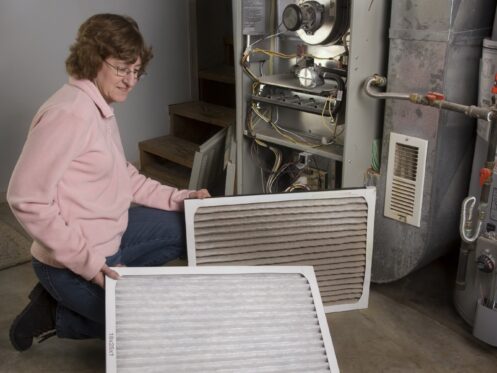
Getting your heating system ready for winter starts with a few practical steps: replace a dirty filter, test the heat before you need it every day, check airflow throughout the house, review your thermostat settings, and schedule a professional tune-up. In Cheyenne, WY, those checks matter because once winter settles in, your furnace may be running for long stretches day after day.
Use this HVAC fall checklist to catch small problems early and make sure your heating system is ready for a long Wyoming winter.
Why Fall Heating Maintenance Is Essential
Fall is the best time to prepare your furnace because you still have time to deal with problems before the system is under constant demand. A furnace that seems fine during a short test run can behave very differently once colder weather brings longer heating cycles.
Start by changing the filter if it’s dirty and checking that supply and return vents are open and clear. Then switch the thermostat to heating mode and let the system complete several normal cycles. Make sure it starts without trouble, produces steady warm air, and shuts off when the house reaches the temperature you set.
Pay attention to changes from last winter, including:
- Weak airflow from one or more vents
- Rooms that stay colder than the rest of the house
- Longer heating cycles than you remember
- Frequent starts and stops
- New rattling, buzzing, or banging noises
- Burning or electrical smells that continue after startup
If basic checks don’t explain the problem, professional furnace maintenance can help catch wear or operating issues before winter use becomes heavier.
What a Professional Heater Tune-Up Should Cover
A professional tune-up should confirm that the furnace is heating properly, moving enough air, starting safely, and responding correctly to the thermostat. Homeowner checks are useful, but they can’t show you what is happening inside the equipment.
Cleaning and Inspecting Furnace Components
Dust, wear, and buildup can affect how well furnace parts operate. We inspect key components, clean where needed, and look for signs of damage or wear that could lead to poor performance or a breakdown later in the season.
The goal is not simply to make the furnace look clean. It is to make sure the parts that handle heat and airflow are working the way they should before the system has to run for hours at a time.
Testing Safety and Ignition Systems
A gas furnace should ignite correctly and shut down safely if something goes wrong. We test the ignition sequence and safety controls so a problem is not missed simply because the furnace still produces heat.
If the system struggles to start, shuts off unexpectedly, makes unusual sounds during ignition, or gives off a persistent burning smell, schedule furnace repair instead of waiting to see whether it gets worse.
Ensuring Proper Thermostat Performance
The thermostat should call for heat at the right time and stop the system once the set temperature is reached. If the room feels much warmer or colder than the thermostat reading, or the furnace cycles more often than it should, the thermostat or another control may need attention.
Before winter, check the schedule, replace batteries if your thermostat uses them, and make sure your settings still match your daily routine.
Preventing Heating Failures During Harsh Winters
The best way to reduce the risk of a winter breakdown is to deal with warning signs while the system is still running. Small problems rarely improve on their own, and heavy winter use can turn a weak part or airflow issue into a no-heat situation.
Fall is also a good time to look at the age and overall condition of the system. One small repair may make sense on a furnace that is otherwise reliable. Repeated repairs, poor comfort, rising heating costs, and declining performance together are stronger signs that the equipment may be nearing the end of its useful life.
If the problem goes beyond routine maintenance, our heating services cover repair, maintenance, and replacement, so we can help you decide what makes the most sense for your system.
If your furnace has not been checked since last winter, now is a good time to get ahead of the cold. Contact Advanced Comfort Solutions to schedule fall heating maintenance in Cheyenne.
FAQs
Fall heating prep is easier when you know when to start and what professional maintenance adds beyond basic homeowner checks. Here are a few common questions we hear before winter.
Early fall is the best time to start. That gives you time to test the system, replace the filter, correct basic airflow issues, and schedule service before colder weather increases heating demand.
Your furnace may still run, but worn parts, dirty components, or developing safety and performance problems can go unnoticed. Skipping maintenance can also increase the chance that the first sign of trouble appears during heavy winter use.
A tune-up checks parts that homeowners cannot properly evaluate from outside the furnace, including ignition operation, safety controls, electrical connections, and combustion-related components. These checks can uncover problems before regular winter operation puts more stress on the system.